Legacy application modernization services
Modernize legacy applications into cloud-ready solutions using cloud-native design, APIs, automation, microservices, and DevOps to drive business growth
Plan my modernizationModernize legacy applications into cloud-ready solutions using cloud-native design, APIs, automation, microservices, and DevOps to drive business growth
Plan my modernization
Many organizations depend on applications built ten years ago or earlier, while business demands continue to evolve. At Softweb Solutions, we define legacy by constraints, and not by age. When your systems cannot scale, adapt to new demands, or justify rising costs, they limit an organization’s ability to perform essential business functions. Modern applications remove these constraints. Software solutions can take advantage of scalable and elastic architecture that includes the use of cloud-native, microservices, and artificial intelligence. These provide enhanced efficiency through improved performance, lowered operational costs, and quick implementation of new business needs across teams.
With our legacy system modernization, you get:

Up to 80% of companies’ IT budgets go to maintaining legacy systems (source: Atera)
51% faster time-to-market and 41% more frequent software releases with modernized applications. (Source: IDC Research)
60% of security breaches are linked to legacy systems (Source: Automox)
56% of CIOs say legacy apps delay digital transformation (source: Capita)
35% of businesses modernize to integrate AI and gain competitive edge (Source: McKinsey)

Our experts consult app modernization with a 360° approach. They assess your application portfolio with its functions, costs, risks, and the impact of change. It allows us to advise the best modernization route (from the 7Rs) and define the right mix of architecture, capabilities, and delivery practices, your application ecosystem requires.

Our engineers analyze your application’s codebase, architecture, and performance constraints to find areas for enhancement. From their analysis, we can redesign and re-engineer your application’s architecture and refactor the application’s core modules, services, and workflows. The approach provides greater processing efficiency.

Our migration team manages all aspects of the transition from one platform, environment, or version of an application to another. Each transition is designed to minimize disruptions through a detailed analysis of your infrastructure, data dependencies, and business continuity needs. Data integrity is preserved throughout the migration.

Our specialists establish the connection between disparate systems to create a single, easily managed application ecosystem. They analyze your applications and the associated data to identify integration points and risks. From there, our experts develop and deploy managed APIs to keep data flowing smoothly between your applications.

The visibility of production data, in real time, for operations teams, helps them monitor performance and optimize processes.
Key improvements
Outcomes realized
Higher operational uptime, improved equipment utilization, and optimized inventory
Scale with smart manufacturing solutions ›Transform your legacy systems into modular, scalable, and more functional systems to meet the demand of faster production cycles.
Key improvements
Outcomes realized
Consistent product quality, streamlined logistics, and greater production flexibility
Start your semiconductor transformation ›

Enable end-to-end visibility and streamlined coordination across your entire logistics network.
Key improvements
Outcomes realized
End-to-end shipment visibility, optimized freight, and lower inventory buffers.
Drive growth with digital supply chain ›Deliver responsive customer experiences while reducing operational costs through system automation.
Key improvements
Outcomes realized
Enhanced customer retention, faster service delivery, and revenue growth
Advance your telecom capabilities ›

Accelerate product launches and strengthen security with modern, API-enabled financial systems.
Key improvements
Outcomes achieved
Reduced fraud risk, lower costs, and faster market responsiveness
Enable intelligent finance operations ›Modernization at scale depends on making the right technology choices. Enterprises modernize applications, cloud infrastructure, data platforms, and integrations to reduce complexity, improve reliability, and support changing business needs. The migration patterns below show the most common paths organizations take to modernize with speed and control.
Platforms we support:
.NET, .NET Core, Java, Spring Boot, Node.js, Python, React, Angular, Vue.js, REST APIs, GraphQL APIs, microservices and container-based architectures.Platforms we support:
Microsoft Azure, Amazon Web Services (AWS), Google Cloud Platform (GCP), Kubernetes, Docker, Azure Kubernetes Service (AKS), Amazon EKS, Infrastructure as Code (Terraform).Platforms we support:
.NET MAUI, Xamarin, React Native, Flutter, Swift, SwiftUI, Kotlin, Android SDK, iOS SDK.Platforms we support:
Databricks, Snowflake, Azure Synapse Analytics, Azure Data Factory, Amazon Redshift, AWS Glue, Google BigQuery, SQL Server, Azure SQL Database, Oracle, PostgreSQL, MySQL, MongoDB, and modern data lakes and lakehouse architectures.Platforms we support:
Salesforce, MuleSoft, Microsoft Power Platform (Power Apps, Power Automate), REST APIs, Azure Logic Apps, enterprise integration frameworks.Platforms we support:
WordPress, Sitecore, Headless CMS platforms, PHP frameworks, React-based front ends, SharePoint Online, Microsoft 365, enterprise digital workplace solutions.Client:
A boutique litigation law firm
Technologies
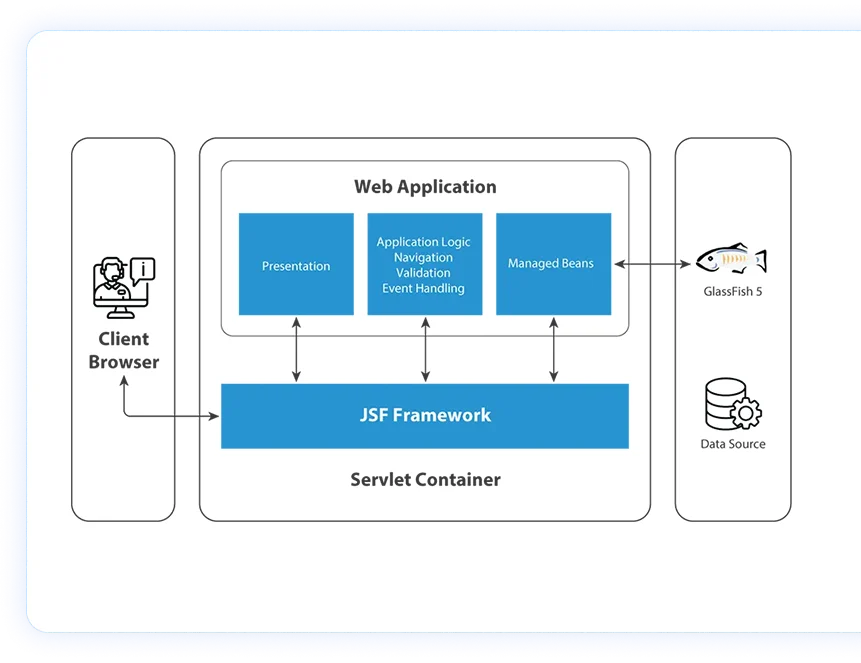
Java, Google Sheets, GlassFish
Challenges:
Outdated database management system, editing, annotation and online form filling
Business impact:

Words that motivate us to go above and beyond! A glimpse of our customers who make us shine among the rest.

The team at Softweb Solutions delivered exceptional digital transformation services within the agreed time frame. Throughout our large-scale projects, we formed a fantastic partnership with Softweb Solutions. Softweb’s DevOps team demonstrated adaptability, encouraging our input during development. They seamlessly modernized the legacy system, including our data warehouse, that meets current market demands.
Mina Abdelkodous

Softweb Solutions provided the AI-driven platform we needed — one that not only streamlined our claim processing but also significantly enhanced our operational efficiency. I highly recommend Softweb Solutions to any organization seeking to modernize and streamline their processes with intelligent automation. They have truly helped us elevate our claims management to the next level.
Stan Kanterman
President

Our company’s Power App, built 5 years ago, became outdated as our processes evolved. We needed a complete overhaul, so we reached out to the Softweb team. From addressing design, front-end, and back-end challenges to improving business processes, they delivered exceptional results. Thanks to Softweb’s expertise, we’ve modernized our application effectively. I highly recommend their services to anyone seeking development
Adam Ingle

You migrate applications to modern infrastructure without code changes when you need quick cloud migration wins. Hardware costs and maintenance burdens drop immediately while functionality stays preserved, and migration risks remain minimal.

You make targeted code tweaks when you want cloud-native benefits without expensive redesigns or lengthy timelines. Managed database advantages and improved performance become accessible while core application logic remains completely intact.

When an application continues to meet user needs but slows business operations, optimizing existing code becomes the right approach. It enhances application efficiency and developer productivity while maintaining the end-user functionality as it is.

You rearchitect when monolithic structures limit scalability and your business demands greater agility. Rearchitect follows an agile approach that breaks legacy systems into reusable components to enable incremental modernization and iterative releases.

You rewrite from scratch when legacy languages create talent shortages and outdated code blocks essential business functions. You eliminate technical debt completely and gain modern capabilities but must budget for higher costs and timelines.

You replace when system fails to meet business needs and commercial platforms offer better capabilities. Replace uses a vendor-based approach that delivers modern features immediately, enabling faster time-to-value and reduced maintenance burden.

Applications become unnecessary when other solutions handle the same functions better, making decommissioning the right choice. Licensing and support costs drop, allowing budget and resources to shift toward more important modernization efforts.
Our team maps your applications’ dependencies, technical debt, and architecture patterns to develop modernization roadmaps.
We strategize cloud-native solutions with defined migration patterns, rehost , refactor, or rebuild, with you getting a concrete execution plan.
A working prototype proves modern technology capabilities and validates performance alongside integration requirements.
Incremental modernization delivers applications in controlled phases, with each release providing measurable value to the business.
Production deployment executes smoothly while teams closely monitor performance metrics and user adoption patterns.

Poor performance and outdated user experience
Modernize the tech stack and revamp the UI/UX for better performance and usability.
Inability to integrate with modern tools
Upgrade APIs and integrate applications for seamless interaction with new technologies.
Security vulnerabilities in legacy systems
Implement advanced security protocols and modernize the infrastructure to enhance protection.
Monolithic architecture and technical debt
Break down monolithic systems into modular services to reduce technical debt.
High maintenance costs and frequent downtime
Optimize and refactor legacy systems to reduce operational costs and improve reliability.
Scalability limitations hindering growth
Re-architect systems for scalability with cloud migration and microservices.
We modernize outdated systems with proven strategies that minimize risk and maximize business value.
We ensure continuous operations during modernization with phased approaches and robust rollback plans.
Our modernization spans cloud platforms, microservices, and APIs to fit your technology stack perfectly.
We reduce technical debt and operational costs while extending application lifespan and performance.
Cloud-native, scalable solutions designed to adapt to evolving business needs and emerging technologies.
We deliver measurable improvements in speed, security, and maintainability across legacy application portfolios.
You will get products to market faster, which gives you a real competitive edge. Operational costs drop significantly through automation and cloud efficiency. No more expensive legacy maintenance either. Your customers get better experiences with improved performance and new digital features. Omnichannel interactions become seamless.
You will see quick wins within the first year through reduced infrastructure costs and better efficiency. The full ROI usually shows up over a few years as benefits compound. Savings come from multiple sources: cost reductions, new revenue, productivity gains, and less technical debt.
Yes. It’s essential for staying competitive as markets evolve. Digital transformation is not optional anymore. You will unlock analytics that legacy systems simply cannot support. Data-driven decisions become possible across the organization. You will be ready for AI, automation, and emerging technologies.
The strangler fig pattern works really well here. You gradually replace legacy pieces while everything keeps running. Run new and old systems in parallel initially to build confidence. Phase your rollouts carefully with thorough testing and always have rollback options ready. Business continuity stays intact throughout.
Main risks include data migration errors, system downtime, and budget overruns. User adoption can be challenging during the transition. We counter these with comprehensive testing, experienced partners, and proven methodologies. Pilot programs, rollback capabilities, and strong communication reduce risks significantly.
You don’t need to throw everything out. Keep what works and upgrade what matters most strategically. APIs and integration layers bridge old and new without requiring total replacement. Start by refactoring your highest-value modules, then expand gradually based on priorities.
Absolutely. Phased approaches are what we recommend because risk goes down and value comes faster. Prioritize based on business value, technical debt, and operational risk. Each phase delivers real improvements you can measure while building momentum and capabilities.
They will support microservices, containerization, and API-first designs for maximum flexibility. Cloud-native deployment means easy scaling and resilience. Emerging tech integration becomes straightforward. You are typically set for at least five years, including AI and automation.
Yes, modern architectures handle multi-cloud and hybrid deployments naturally with dynamic scaling. Real-time analytics become part of your toolkit through integrated data lakes and BI tools. AI and ML are not bolted on afterward , they are built into the stack from day one.
Expect TCO to drop 30-50% over 3-5 years of post-implementation. Infrastructure costs, maintenance overhead, and licensing fees all come down. Cloud economics, automation, and self-service capabilities drive down ongoing operational expenses significantly.
Upgrade legacy systems and unlock faster growth for your organization
Our modernization services bring your existing applications up to current standards while enabling your business to meet modern market demands.
 All our projects are secured by NDA
 100% Secure. Zero Spam.
By submitting this form you agree with the terms and privacy policy of Softweb Solutions Inc.