Digital Twin
Build real-time virtual models of physical object or system to simulate operations, predict issues, and optimize decision-making
Accelerate smart decisionsBuild real-time virtual models of physical object or system to simulate operations, predict issues, and optimize decision-making
Accelerate smart decisionsOur Clients








Higher efficiency, accuracy, and economic benefits have been a company’s long-lasting business goals for ages, resulting in the rise of robotics and automation. However, creating new business models, maintaining reliability, and improving decision-making are still major concerns. Create a 360° representation of your end-to-end product lifecycle, assess its behavior with what-if questions, and empower your organization to increase safety, consistency, and profitability.
Combine all your product data into a single virtual model to take process dependencies into consideration and determine the most effective improvements.
Meet your customers’ needs while changing machine specifications on the fly and make flexible customizations on the digital twin itself.
We make operator training safer by conducting it in a safe, virtual environment. Use any scenario as well, and multiply training hours at a fraction of the cost.
Access machine use data with associated environment to support efficient customer service.
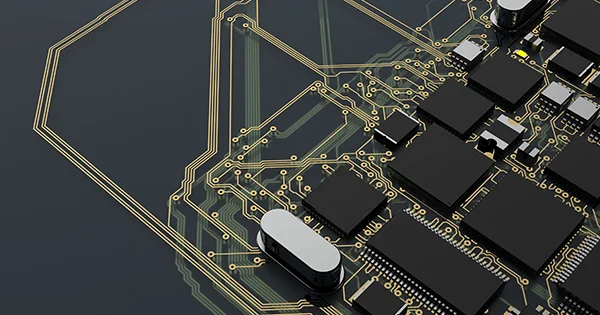
Whether you use CAD systems for creating 3D models, MCAD tools for electronic design, or CAE systems for analysis – everything can be connected and virtually designed, validated, and tested. The payoffs are: reduced development time, improved quality, and quicker response to customer feedback with faster iterations.
Test how your product, with all its components and sub-assemblies, will be built using manufacturing processes and automation. You can also identify cause of production problems such as, production line faults, plant inaccuracies, or supplier mistakes, thus increasing uptime and productivity.
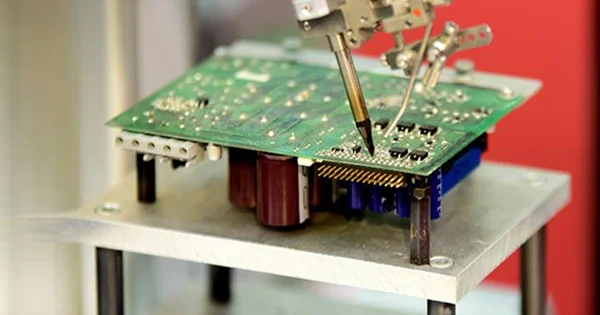

We understand that ensuring model’s successful deployment and ongoing use is critical to your business’s success. Hence, our services extend beyond the initial design and development of your digital twin model. We are committed to providing comprehensive after-sales support and troubleshooting, including step-by-step instructions for quick and efficient repairs.
Semiconductor fabs depend on precise equipment behavior, process stability, and real-time operational visibility to protect yield and production reliability.
Digital twins model fab equipment and production environments to simulate process behavior, monitor asset health, and support informed operational decisions.
Limited visibility into production systems makes it difficult to predict performance issues and optimize operations.
Digital twins replicate physical assets and processes to simulate performance and monitor real-time conditions.
Supply chain disruptions are difficult to anticipate when inventory, transport, and facility data remain disconnected.
Digital twins model supply chain networks to simulate flows, constraints, and disruption scenarios across connected operations.
Distributed telecom infrastructure is difficult to plan and maintain without real-time visibility into network behavior and asset performance.
Digital twins model telecom infrastructure to monitor performance, simulate capacity needs, and support proactive maintenance planning.
Accelerate innovation with virtual prototypes
Predict the future, shape the present
 All our projects are secured by NDA
 100% Secure. Zero Spam.
By submitting this form you agree with the terms and privacy policy of Softweb Solutions Inc.