AI-powered personalization
What users see in the app shifts with their behavior, so content, suggestions, and next steps stay relevant.
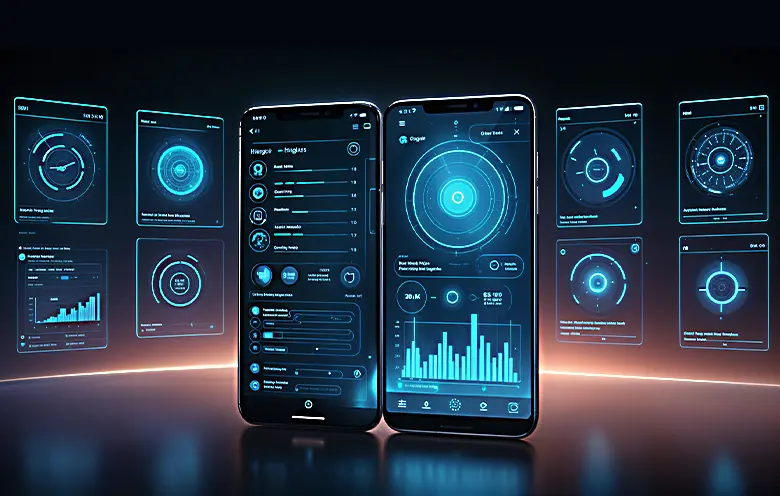
Build mobile apps for iOS and Android that bring speed, continuity, and better user experiences to every interaction
Let's build your mobile appOur Clients


Mobile apps give users fast, device-native access to the information and tools they need, whether they are in the office, on the production floor, or in the field. When device context, performance, and usability are not considered early, the app becomes difficult to navigate and users stop relying on it. Softweb Solutions brings over 18 years of mobile app development experience, backed by 21 years of software expertise. Our team of 120+ specialists works across iOS, Android, and cross-platform environments. We deliver apps with responsive performance, secure access, offline support, push notifications, API connectivity, and single sign on for real-world business use.
A legacy built over 20 years, with a foundation that drives continuous progress.
120+
AI & Data Specialists
175+
AI/ML Models
345+
Data Analytics Dashboard
1630+
Projects Delivered

We build mobile apps for iOS and Android around how your business works and how your users interact with it in practice. That includes performance suited to the platform, clear navigation, and features such as offline access and notifications that people rely on during regular use.

Our designers look at how your users actually move through a mobile app, whether it is a quick action or something they return to often. Based on that, we design flows and interactions that make navigation simpler, keep information easy to follow, and feel comfortable on smaller screens.

We modernize legacy mobile applications by updating core frameworks and reorganizing the application structure for modern environments. Our team preserves existing business logic while replacing aging components and preparing the system for easier updates and maintenance.

We integrate your mobile app with ERP, CRM, cloud platforms, and internal systems so your users can access the right information within the same interface. Data exchange is structured to keep your app aligned with how your business systems operate.

Before release, our QA team works through your mobile app across devices, screen sizes, and common usage scenarios. The focus stays on how the app responds in use, how different paths behave, and whether the experience remains steady as people use it in real conditions.

Create apps that run on both iOS and Android using a shared development approach.

Create high-performance apps designed specifically for iOS or Android platforms.

Combine web technologies with mobile frameworks to deliver mobile applications efficiently.

Deliver connected experiences with wearable app development services designed for smartwatches and other wearable devices.

Develop mobile platforms backed by cloud application development services that support data management, integrations, and backend processes.

Deliver app-like browser experiences that combine the reach of the web with key mobile capabilities.

Build web apps that adapt smoothly across mobile phones, tablets, and desktop screens through responsive web app development.

Support large-scale business operations through enterprise app development focused on secure workflows, mobile access, and system connectivity.
The right technology choice affects speed, performance, maintainability, and long-term cost. We recommend the stack that best fits your product goals, internal systems, and release roadmap.
iOS app development
Create iOS applications that deliver secure interactions and consistent performance, built to support Apple users at scale.

Android app development
Create iOS applications that deliver secure interactions and consistent performance, built to support Apple users at scale.

.NET MAUI app development
For broader device coverage, build Android apps that run reliably across screen sizes, usage conditions, and environments.

Flutter app development
Use .NET MAUI where existing Microsoft-based apps need mobile support across platforms without splitting into separate builds.

React Native app development
React Native lets teams reuse APIs, data handling, and interface logic, avoiding duplicate work while keeping apps aligned across devices.

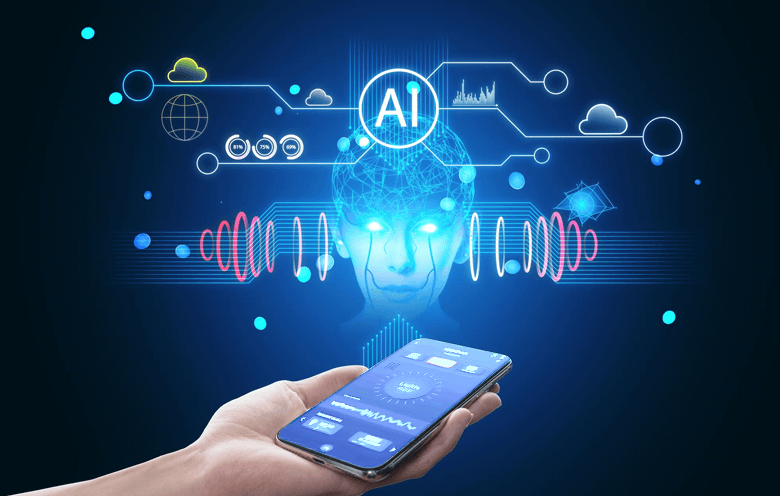
The technologies behind a mobile app determine how it handles data, responds to inputs, and supports user actions. We use a combination of AI, ML, and connected systems to help your app process information and adapt as conditions change.

We integrate AI capabilities in mobile apps using models such as LLMs and ML to support automation, data analysis, and contextual assistance. Our team ensures these systems work accurately and securely with your data, generating insights and responses within the same environment.
We apply machine learning models in mobile apps where responses need to adjust as data changes over time. These models learn from incoming data and refine what the app shows, suggests, or prioritizes without requiring repeated manual updates.
We build IoT solutions that connect your mobile app with devices and operational systems. Activity from the field, equipment, and devices is logged and made available in a single view. Hence, users gain better visibility into what is happening. As a result, they can respond to changes in real time without moving between platforms.
Our computer vision services allow mobile apps to work with visual input as part of workflows such as inspection, validation, and data capture. The application uses image-based input to verify details, extract required information, or move the process forward without additional manual steps.
We integrate Generative AI capabilities into mobile apps to support users with summaries, responses, and contextual assistance during ongoing tasks. The application generates relevant outputs in the same working flow, so users can continue their activity without stepping away from the task.
We build extended reality (XR) applications that place digital information within the user’s real environment through the device camera. During training, guided procedures, and spatial visualization, users can follow instructions and understand context from on-screen information without needing printed guides or external assistance.
Supply chain mobile apps
In day-to-day operations, shipment and inventory updates are spread across systems and locations, making visibility harder to maintain. Mobile apps bring these updates together, helping teams catch delays, stock gaps, and missed handoffs before they affect downstream work.
Modernize your supply chain systems ›
Manufacturing mobile apps
Manufacturing teams use mobile apps on the plant floor for inspections, production monitoring, and maintenance activities during shifts. Product catalogue and eCommerce apps also support sales teams in presenting offerings and managing orders in the field, helping improve response time and daily control.
Drive growth with digital manufacturing ›
Semiconductor mobile apps
In semiconductor operations, mobile apps help engineers review process steps, track lot movement, and check equipment conditions between runs. Better visibility across stages supports tighter control over variation and output quality.
Modernize your semiconductor systems ›
Telecom mobile apps
Telecom teams use mobile apps to handle service requests, check network status, and log field activity from anywhere. Information captured in the app stays aligned across systems, supporting more consistent service tracking and operations.
Advance your telecom capabilities ›
Finance mobile apps
In finance operations, mobile apps support approvals, servicing requests, and internal workflows across distributed teams. Access is controlled by role, so sensitive data stays protected while routine activities continue without interruption.
Start your finance transformation ›
We begin with a working understanding of what the app is expected to do, who it is meant for, and any constraints that may influence its direction.
Based on this assessment, initial flows and early prototypes are created to see how the app will take shape before any build starts.
The structure of the application and its supporting components is then put together in stages, allowing room to adjust as requirements become clearer.
While the build progresses, the app is checked across devices and usage scenarios so issues are noticed during development, not after.
Once everything is in place, store requirements are completed and the application is prepared for release or internal distribution.
After release, attention moves to how the app is performing in real use, with updates and improvements made as needs continue to change.
What users see in the app shifts with their behavior, so content, suggestions, and next steps stay relevant.

As work moves forward, data updates stay aligned across devices and systems without requiring manual refresh.

Payments for billing, subscriptions, or purchases are handled securely within the app through integrated flows.

Use location tracking and geofencing to support route planning, field operations, and context-based actions.

Send event-based notifications and automated alerts that support timely action and workflow updates.

Use fingerprint, Face ID, or similar device-level methods for secure user authentication.

Store data locally and sync on reconnect so users can continue working without constant internet access.

Key metrics and activity trends are available inside the app, helping users track performance without switching tools.

Support within the app helps users find answers, complete actions, and move ahead without leaving the workflow.

Control what each user can view or do in the app through role-based access settings.

Support secure identity workflows with face recognition services built into the mobile experience.
Industry
Manufacturing
Technologies
SQLite Manager, iOS, Android, C
Challenges
Business Impact
Client
Emkay


Industry
Automotive
Technologies
IoT app development, Java, SQL, iOS, Android, C
Challenges
Business Impact






































21+ years of software engineering experience across enterprise platforms, customer applications, and business systems
Consulting-led approach that aligns mobile delivery with business goals and operational realities
Expertise across iOS, Android, cross-platform, cloud, AI, and enterprise integrations
Experience in manufacturing, supply chain, semiconductor, telecom, and finance use cases
Long-term support for modernization, scaling, enhancements, and performance improvement
Mobile app development cost depends on features, platform, integrations, and design complexity. Basic apps cost less, while enterprise apps require higher investment. Cost also varies based on development approach and timeline.
Mobile app development timelines depend on scope, features, and complexity. Simple apps may take a few weeks, while larger applications can take several months. Clear requirements and faster feedback help reduce delays.
The choice depends on your target audience and budget. If your audience uses one platform predominantly, you can start there. For broader reach, we recommend cross-platform development using frameworks like .NET MAUI or Flutter.
AI-powered mobile app development includes features like recommendations, automation, and intelligent assistance. These capabilities improve user experience and decision-making. The app becomes more responsive to user behavior over time.
Yes, an NDA is signed before discussing your mobile app idea. It ensures confidentiality of your concept, data, and business details. It allows open discussion without risk to your intellectual property.
Source code ownership and intellectual property rights are provided to the client after project completion. Full control over the application is ensured. Ownership terms are clearly defined in the agreement.
Mobile app modernization involves upgrading existing applications for better performance and usability. Projects can also be taken over from previous vendors.The focus remains on continuity and improvement.
App store submission and publishing include preparing assets, meeting guidelines, and managing approvals. It ensures smooth release on platforms like App Store and Play Store. The process is handled end to end.
Mobile app security and data protection involve secure coding, encryption, and access control. Regular testing and monitoring help prevent vulnerabilities. Data is handled in line with industry standards.
A mobile app development company offers structured processes, broader expertise, and reliable support. It reduces risk in delivery and long-term maintenance. Teams ensure continuity, quality, and accountability.
Enterprise mobile application development focuses on secure workflows, integrations, and scalability. These apps support internal operations and business processes. They are built to handle large user bases and data volumes.
Your next step starts here – turn your goals into reality with us!
Get in touch to explore our custom mobile app development services
 All our projects are secured by NDA
 100% Secure. Zero Spam.
By submitting this form you agree with the terms and privacy policy of Softweb Solutions Inc.